 Valeria Ledezma
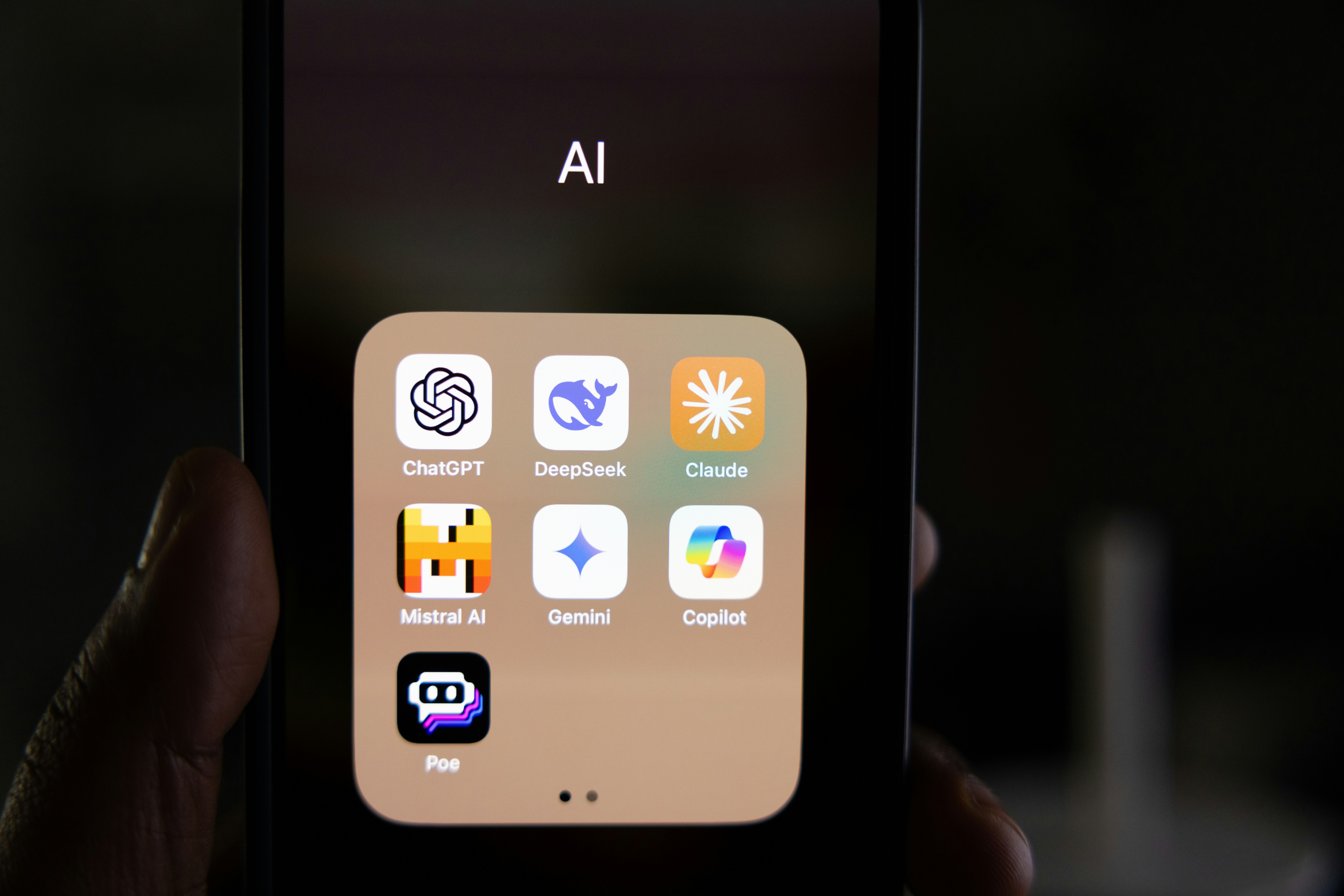
The AI ecosystem is expanding rapidly, and while most SEO providers focus on Google’s AI Overviews, OpenAI’s ChatGPT, or Google Gemini, another powerful AI assistant has emerged: Claude, created by Anthropic.
Named after Claude Shannon, the “father of information theory,” Anthropic’s Claude is built to be helpful, honest, and harmless, with a strong emphasis on safety and transparency. For SaaS SEO providers and multi-location brands, understanding how Claude works—and how it handles business and location data—is key to future-proofing local discoverability strategies.
What Is Anthropic Claude?
Claude is an AI assistant designed for conversational search, reasoning, and contextual understanding. Unlike traditional search engines, Claude retrieves and synthesizes information into natural, human-like responses.
Anthropic differentiates Claude from other LLMs with:
- Constitutional AI: Claude follows a set of ethical principles (“the constitution”) to guide its behavior, reducing harmful or biased outputs.
- Long-context reasoning: Claude can process very large documents or datasets, making it suitable for research, policy, or compliance-heavy queries.
- Focus on safety: Built with guardrails that emphasize fairness, transparency, and reduced misinformation.
How Claude Works
At its core, Claude is a Large Language Model (LLM) trained on massive amounts of text, but its design philosophy sets it apart:
1. Constitutional AI Framework
Claude uses a written “constitution” of principles (e.g., be helpful, avoid harmful outputs, respect fairness) as part of its training and reinforcement. This gives it a structured way to reason about complex or sensitive topics.
2. Multi-Turn Dialogue
Claude excels in multi-step reasoning and follow-up interactions, making it strong for contextual search queries like:
- “Find restaurants near Boston Common with vegan options.”
- “Which pharmacies are open late near LAX airport?”
3. Integration with Business and Local Data
Claude doesn’t crawl the web directly like Google. Instead, it synthesizes information from data strategy, APIs, and trusted sources. For SEO providers, this means brands must ensure business data is syndicated into AI-visible ecosystems that Claude pulls from.
4. Extended Context Windows
Claude supports extremely long inputs (up to hundreds of thousands of tokens) meaning it can analyze whole websites, documents, or product catalogs at once. For local brands, this means structured data, menus, and services can all be interpreted directly.
Why Claude Matters for Multi-Location SEO
While Google dominates traditional search, Claude is quickly becoming a discovery engine through integrations with tools like:
- Perplexity AI (where Claude sometimes powers responses)
- Notion AI (enterprise use cases)
- Slack and other workplace tools
For multi-location brands, Claude can be the layer between a customer’s query and the brand’s visibility, especially in professional or decision-making contexts.
Key reasons Claude matters:
- Entity recognition: Claude interprets businesses as structured entities with attributes, not just text snippets.
- Semantic search: Queries like “quiet coworking spaces near Central Park” surface results based on context, not just keywords.
- Multi-language capabilities: Useful for global brands operating in diverse communities.
- Safety-first design: Reduces the risk of misinformation about businesses, but also means incomplete or inconsistent data may be excluded.
Challenges for Providers
- Opaque Sources – Claude doesn’t always show which sources are used, making optimization trickier.
- Data Gaps – If business data isn’t available in trusted, structured platforms, Claude may ignore it.
- Competition for Context – Claude may favor authoritative aggregators or review platforms over direct brand content.
- New Metrics – Traditional SEO KPIs (clicks, rankings) don’t fully apply. Providers must measure visibility and mentions instead.
How SaaS SEO Providers Can Prepare for Claude
1. Focus on Entity Optimization
Ensure every location is represented as a machine-readable entity across maps, directories, and structured data sources.
2. Syndicate Across Ecosystems
Claude relies on aggregated, trusted datasets. Use platforms like Ezoma to distribute verified business data across directories, maps, and AI-accessible platforms.
3. Enrich Listings with Attributes
Include detailed attributes like hours, amenities, services, and accessibility. Claude parses these when answering contextual queries.
4. Monitor Claude Responses
Test queries in Claude to see how (or if) clients are recommended. Benchmark competitors’ visibility.
5. Adapt KPIs
Shift from traffic-only metrics to visibility metrics: how often is the brand cited, recommended, or included in Claude’s synthesized answers?
Now, let’s talk about EZOMA
Ezoma helps multi-location brands stay discoverable in Claude’s AI-driven answers by:
- Syndicating structured, enriched listings across 100+ directories.
- Ensuring business data is consistent across ecosystems that Claude trusts.
- Standardizing attributes to increase the likelihood of appearing in contextual responses.
- Providing reporting tools to track brand visibility across emerging AI engines, including Claude.
For SaaS SEO providers, Ezoma reduces the complexity of preparing clients for a search environment where AI assistants, not just search engines, drive discovery
Anthropic’s Claude may not dominate search volumes like Google, but it represents a paradigm shift: safer, context-rich AI assistance for local and business discovery.
For SaaS SEO providers, Claude underscores a bigger trend:
- The future of SEO it’s about ensuring brands are structured, syndicated, and AI-ready across multiple models.
If your clients want to show up in the new generation of AI-powered answers, Claude is too important to ignore.