 Gideon Rubin
The best review management platforms on the market don’t just monitor customer sentiment… They automate data collection, enable rapid response workflows, and integrate across channels at scale. And at the core of that performance? A robust API stack that brings structure to the chaos of user-generated content.
For SaaS providers managing SEO across hundreds or thousands of locations, understanding this API ecosystem is key to building or integrating the right tools and avoiding manual processes that simply won’t scale.
In this post, we’ll break down the essential APIs behind today’s top review management platforms, how they interact, and what to look for when building your own review intelligence layer.
Why the Right API Stack Matters
Managing reviews at scale is more than reputation management. It impacts:
- Local SEO rankings (review volume, recency, velocity)
- Conversion rates (social proof and trust)
- Operational insights (location-level feedback trends)
- Compliance and brand safety (responding to fraud or negative sentiment)
Without automation, these processes become unmanageable beyond 10–20 locations. With the right APIs, they become automated, measurable, and actionable.
The Core API Layers in Review Management Systems
Let’s break down the main layers of the Review management API stack.
1. Review Aggregation APIs
Purpose: Collect reviews across platforms and publishers in real time or on a regular interval.
Key Features:
- Pulls data from Google, Facebook, Yelp, and vertical platforms (e.g., Vitals, TripAdvisor)
- Includes full review content, star rating, timestamps, reviewer metadata (when available)
- Tags data by location ID or business entity
Why it matters: A centralized review pipeline means you’re not dependent on individual platform logins and you can build dashboards or alerts with ease.
Example API: Local Data Exchange Reviews API
2. Sentiment Analysis APIs
Purpose: Evaluate emotional tone of reviews and tag sentiment at scale.
Key Features:
- NLP processing to classify reviews as positive, neutral, or negative
- Advanced tagging for intent, urgency, or flagged language (e.g., “refund,” “lawsuit”)
- Multilingual support for global brands
Why it matters: Raw star ratings don’t tell the whole story. Sentiment engines help SaaS platforms surface priority issues and measure review quality trends.
Example Tools: Google Cloud Natural Language API, AWS Comprehend, Open-source NLP models
3. Response Automation APIs
Purpose: Generate, schedule, and send review responses. Often programmatically.
Key Features:
- Pre-approved response templates
- AI-generated content with tone and keyword matching
- Routing for manual responses on negative or flagged reviews
Why it matters: Brands with 500+ locations can’t handwrite every 5-star thank you. Response APIs reduce support workload and standardize brand voice at scale.
Pro tip: Pair this with review triggers, such as sentiment + star rating = automated workflow.
4. Review Reporting + Analytics APIs
Purpose: Track trends, performance, and KPIs across reviews by location, time, and channel.
Key Features:
- Aggregate volume, average rating, review recency
- Sentiment over time or by store/region
- Custom reporting by keyword or tag
Why it matters: Clients want to see how reviews impact their SEO and business. These APIs power dashboards that connect reputation to performance.
Look for options that support CSV/JSON export and webhook triggers.
5. Location Management APIs
Purpose: Ensure reviews are mapped to the correct business entity, especially across chains and franchises.
Key Features:
- Entity resolution (match review to location)
- Location ID syncing with listings databases
- Geo-fencing for location validation
Why it matters: Review data is only valuable when it’s accurately attributed. At scale, location mapping errors are one of the most common causes of report inaccuracies.
Example: Use with Listings API to maintain consistency across review and presence data.
Bonus Integrations That Power Smart Platforms
- CRM/Support APIs (e.g., Zendesk, HubSpot): escalate negative reviews to support automatically
- Email/SMS APIs (e.g., Twilio, SendGrid): send review request campaigns
- Listings APIs (e.g., LDE, Yext): link presence management to review strategy
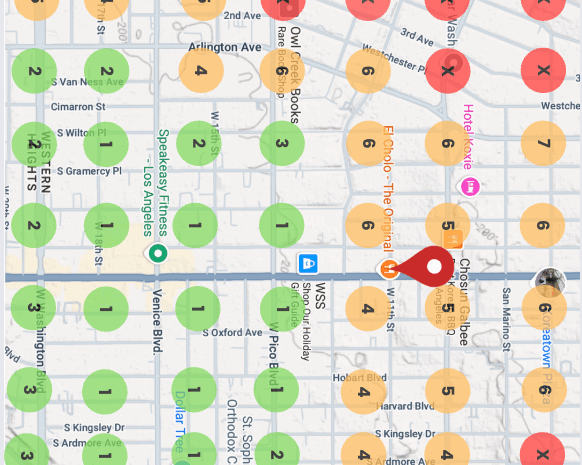
- Geo Grid APIs: correlate review trends with local search visibility shifts. It’s important to evaluate and understand how to choose the best one for your need, since it can be tricky.
How SaaS Providers Can Build or Extend Their Review Stack
Whether you’re building your own platform or integrating review features into a broader local SEO solution, follow these guidelines:
Use Modular APIs
Avoid monoliths. Use APIs that allow you to separate aggregation, sentiment, and response workflows so you can update each layer without breaking others.
Prioritize Real-Time Data
Look for APIs that push updates via webhooks or offer tight polling intervals. Real-time review alerts allow faster response, which impacts brand perception and user behavior.
Think Cross-Platform
Don’t just monitor Google. Top platforms aggregate 5–10 review sources and allow clients to filter by publisher and location.
Bake In Customization
Let clients define triggers, filters, and response rules. A review management API stack that supports this flexibility becomes sticky and hard to replace.
Review APIs Drive Local SEO ROI
At the end of the day, reviews are reputation tools but also search signals. Google rewards freshness, engagement, and relevance, all of which improve when reviews are monitored, analyzed, and responded to using the right review management API stack.
For SaaS SEO providers, building these capabilities into your platform creates not just efficiency but a measurable, repeatable ROI for every client.
Want to power your platform with the same API stack used by top review engines?
Start with our Reviews API. Built for multi-location data, sentiment tagging, and scalable response workflows.