
How to Detect Fake Reviews Using AI & Machine Learning
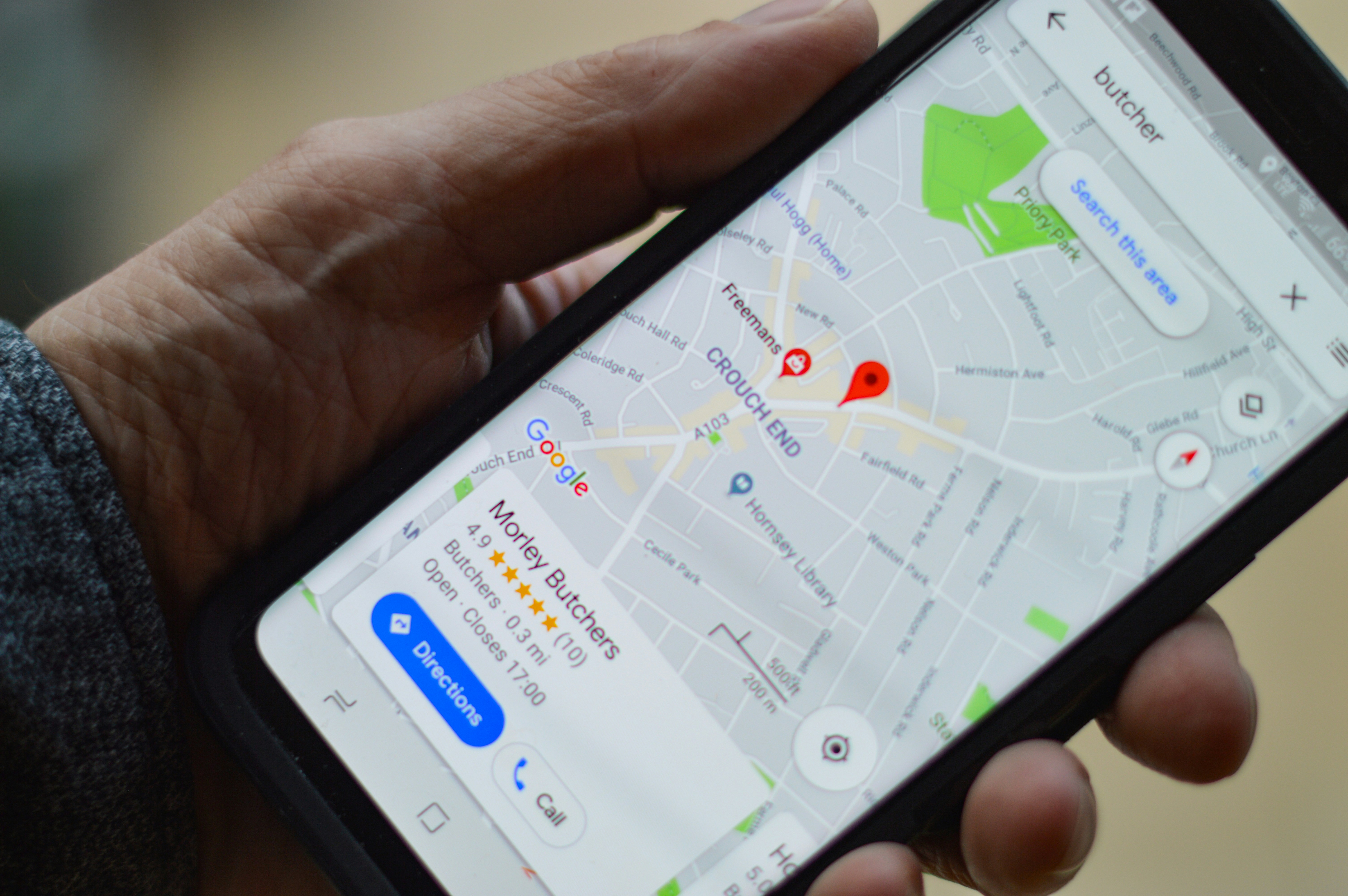
Every day, competitors post fake 1-star reviews on your Google Maps listing. Fake reviewers create burner accounts to trash your reputation. Meanwhile, you miss real customer feedback buried under noise.
The numbers:
- 30-40% of online reviews are fake (academic research)
- Competitors account for 15-25% of negative reviews on SMB profiles
- A single fake 1-star review can drop your rating by 0.2-0.5 stars
- Fake reviews cost businesses $152B annually in lost revenue
A fake review detection API uses machine learning to flag suspicious reviews automatically: linguistic analysis, behavioral analysis, network analysis, and sentiment mismatches.
How Fake Reviews Are Created (And Why Detection Matters)
1. Competitor Attacks (Direct Sabotage)
Competitor creates a burner account, posts 1-star reviews with generic complaints. Pattern: all posted same day, similar language. Impact: drops your rating 0.3-0.8 stars.
2. Review Factories (Paid Services)
Business buys 50 fake 5-star reviews from overseas account networks. Pattern: posted rapidly, short text, no detail. Impact: inflates rating artificially.
3. Bot Swarms (Automated Attacks)
Automated script posts multiple fake reviews in hours. Pattern: same IP, same phrasing, posted minutes apart. Impact: massive rating manipulation until removed.
Why Detection Matters:
Google removes fake reviews, but it can take weeks. Proactive detection lets you flag reviews before they influence customers and identifies if competitors are attacking you.
Signals That Indicate Fake Reviews
Red Flag #1: Linguistic Anomalies
- Review text shorter than 10 words
- Excessive punctuation ("Amazing!!!! Must visit!!!!")
- Common bot phrases: "highly recommend", "amazing service", "best in town", "must visit"
- All-caps text (more than 50% uppercase)
Red Flag #2: Account Age & History
- Account created in last 7 days
- Zero other reviews ever written
- No profile photo or biographical info
- Only reviewed this one business
Red Flag #3: Behavioral Patterns
- 10+ reviews posted in a single hour
- Same IP address across reviewers
- All ratings are identical (all 1-star or all 5-star)
- Spike on a Sunday night or holiday
Red Flag #4: Rating-Text Mismatch
- 1-star rating but positive review text
- 5-star rating with vague text like "OK"
- Text describes a terrible experience but rating is 4-5 stars
Building a Fake Review Detection System
Architecture:
New Review Posted → Webhook Alert → ML Scoring Engine (linguistic + account + behavioral + sentiment analysis) → Risk Score (0-100) → Flag if score < 30 → Alert Dashboard / Email
Scoring Example (Python pseudocode):
def score_review_authenticity(review):
total_score = 100
# Linguistic flags (-5 pts each)
if len(review['text']) < 10: total_score -= 10
if has_bot_phrases(review['text']): total_score -= 5
# Account flags (-5 pts each)
if review['account_age_days'] < 7: total_score -= 15
if review['total_reviews'] == 1: total_score -= 10
# Behavioral flags
if detect_coordinated_attack([review]): total_score -= 20
# Sentiment-rating mismatch
if detect_sentiment_mismatch(review): total_score -= 15
return {
'authenticity_score': total_score, # 0-100 (100 = definitely real)
'is_likely_fake': total_score < 30,
'risk_level': 'high' if total_score < 30 else 'medium' if total_score < 60 else 'low'
}
Taking Action on Fake Reviews
Option 1: Report to Platform
All major platforms (Google, Yelp, Facebook) allow reporting of fake reviews. Do it within 24 hours of detection. Keep records of all reports and track resolution time.
Option 2: Respond Publicly to Discredit Them
"We appreciate feedback, but we notice your account was created today and has no other reviews. If you've had a genuine experience with us, we'd love to make it right. Please contact us directly."
Option 3: Track Attacker Patterns
If the same reviewer network posts 3+ fake reviews, flag the account cluster. Document the pattern and escalate to platform trust & safety teams.
Option 4: Use ML for Higher Accuracy
Pre-trained transformer models (e.g., distilbert-base-uncased fine-tuned on review datasets) can detect fake reviews with 90%+ accuracy on linguistic signals alone.
Best Practices for Fake Review Management
1. Monitor Daily — Set alerts for any 1-star reviews. Automated scoring on every new review.
2. Report Systematically — Report within 24 hours. Track resolution time. Keep a log.
3. Respond Publicly — Don't ignore fake reviews. Respond professionally. Subtly indicate suspicious nature.
4. Track Competitor Patterns — If you see coordinated attacks, document them. Consider legal action if severe.
5. Prevent Future Attacks — More authentic reviews = harder to manipulate overall rating. Deliver great service. Request reviews from real customers.
Fake reviews damage your reputation and hurt your local SEO ranking. Detecting them manually is impossible at scale.